
Nerve Pain Treatment in Lake Forest
Burning, buzzing and numbness are hard to describe to anyone, which is part of why nerve pain is so exhausting to carry around.
What causes nerve pain?
Nerve pain has its own vocabulary. It burns, shoots, buzzes or goes numb, it travels in a line down an arm or a leg, and it arrives when you have done nothing to deserve it. A nerve does not have to be damaged to complain. It only has to be squeezed, tethered or irritated somewhere along its route, and it reports that from the whole territory it serves rather than from the spot that is the problem.
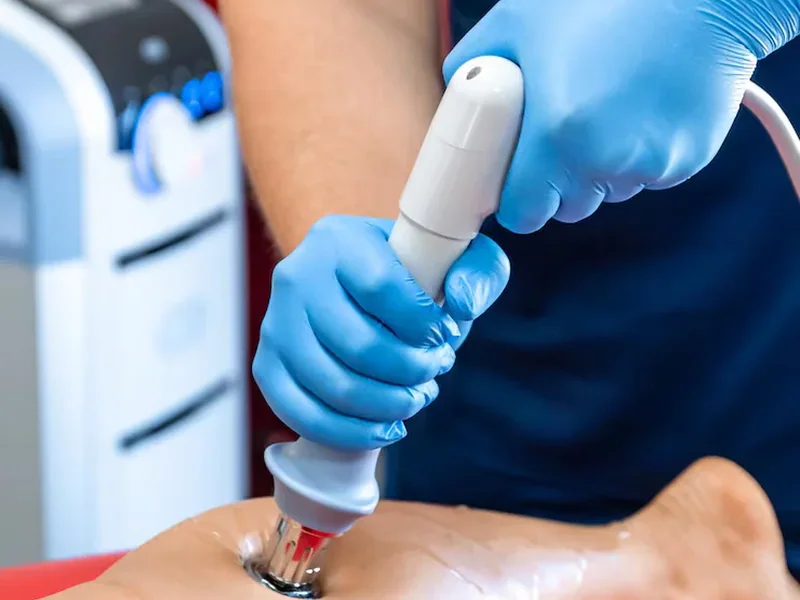
Every nerve in your arm or leg begins as a root exiting between two vertebrae, through a gap that is not large to begin with. A bulging disc or bony spur can narrow it enough to press on the root or inflame it. What you feel is rarely in your back. It is burning down the leg, or tingling into two fingers, following whatever that root supplies. Bending, sitting or coughing usually changes it, which tells us which positions will settle it.
Nerves pass through tunnels on the way to the hand or foot: under the wrist, behind the elbow, deep in the buttock, around the ankle. In each, the nerve shares tight quarters with tendon, muscle and bone. Swelling, a thickened tendon sheath or hours in one position can raise the pressure until the nerve stops tolerating it. Symptoms usually start at night, then spread across more of the day.
A healthy nerve slides through the tissue around it as you move, a surprising distance at that. Scarring after surgery, immobility, or years of restricted movement can leave a nerve tethered so it is pulled rather than allowed to glide. The result is pain at end of range, an electrical quality when you straighten an arm or leg, and a habit of avoiding those positions. Restoring the glide takes graded, gentle sequences, because hard stretching makes an irritated nerve worse.
The most common thing that irritates a nerve is not an injury at all. It is the same position repeated far past what the tissue was set up for. A sleeping posture that keeps the elbow bent all night. A keyboard at the wrong height. None of it is dramatic, which is why people are certain they have done nothing. Identifying yours is most of what stops the symptoms returning.
Some nerve pain has nothing mechanical about it. Diabetes, thyroid disease, autoimmune conditions and vitamin deficiencies affect nerve tissue directly, usually with symmetrical symptoms starting in the toes or fingertips. Physical therapy does not treat those conditions and does not reverse the nerve changes they cause. That is your physician's territory. What we address is everything sitting on top: unreliable balance and walking, strength that has fallen away, joints stiffened from doing less.
A nerve compressed or inflamed for a while becomes easier to provoke. Small inputs then produce large symptoms, and the pain can linger after the pressure eases. It is why symptoms sometimes persist after an injection or a decompression that technically worked, and why the first phase of treatment reduces provocation rather than pushing into it.
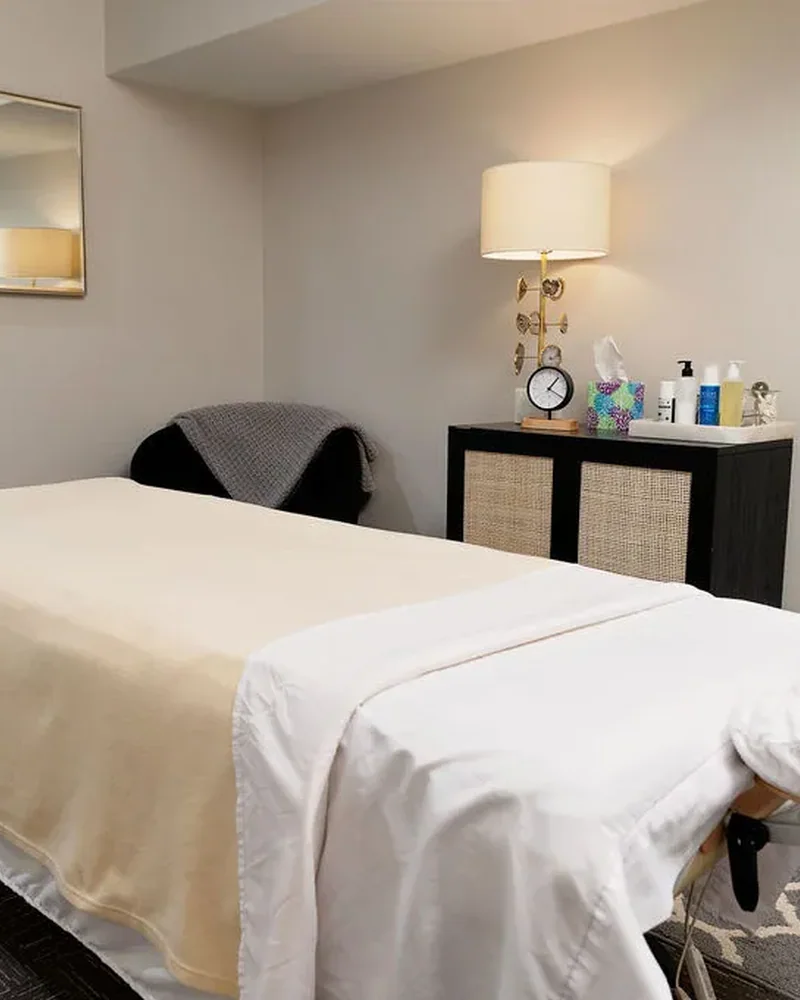
How physical therapy in Lake Forest helps.
Physical therapy works on the mechanical side of nerve pain, the side that responds to hands and to movement. We map your symptoms first: where they run, what provokes them, and which positions change them within seconds. That pattern tells us where along the route the nerve is squeezed, and whether the problem sits at the spine, in a tunnel further down the limb, or in the tissue the nerve slides through. Manual therapy and myofascial release open the tissue around the compression, and gentle gliding sequences restore movement to a nerve that has lost it.
What we will not tell you is that we can reverse damage to a nerve. That is not what this treatment does, and where a neuropathy has a medical cause it belongs with your physician. What is realistic is reducing the mechanical provocation, rebuilding the strength and balance that fell away while you guarded, and raising your tolerance for sitting, standing and working. Baselines are set at the evaluation and re-tested as we go, so you can watch whether it is working instead of guessing. You are treated one to one by the person who evaluated you, and most people start without a referral under Illinois direct access.
What to expect from your recovery.
Finding where the nerve is unhappy
We trace the symptoms along the limb and test sensation, strength, reflexes and how the nerve tolerates being moved. We check the spine, the joints in between and the tunnels the nerve passes through, and look for the positions that switch symptoms on and off. You leave knowing which nerve is involved and what to stop doing this week.
Taking the pressure off
Early sessions are about giving the nerve quiet. Manual therapy and myofascial release soften the tissue crowding it, joint work shifts the load away, and we adjust the postures, workstations and sleeping positions that keep re-provoking it. Gliding is introduced in small ranges, because an irritated nerve responds badly to hard stretching. Progress here usually looks like symptoms retreating back up the limb toward their source.
Rebuilding strength and tolerance
Once the nerve settles, we rebuild what the guarding cost you: strength in the limb, control through the spine or hip, balance if the feet report poorly, and endurance for the positions your day demands. We re-test the baselines from the evaluation so progress is visible. The last piece is knowing your triggers well enough to catch a flare early.
A nerve does not have to be damaged to complain. It only has to be squeezed, tethered or irritated somewhere along its route.
Pain rarely travels alone.

Elbow, Wrist & Hand Pain
Nerves get squeezed at the elbow and wrist more than anywhere else in the arm.

Joint Pain
Joint and nerve pain feel alike. What separates them is whether symptoms stay put or travel.

Sports Injuries
Training loads can irritate a nerve as readily as they strain a muscle.