
Sports Rehab in Lake Forest
Cleared to play is not the same as ready to play. You already know the difference, even if the paperwork does not.
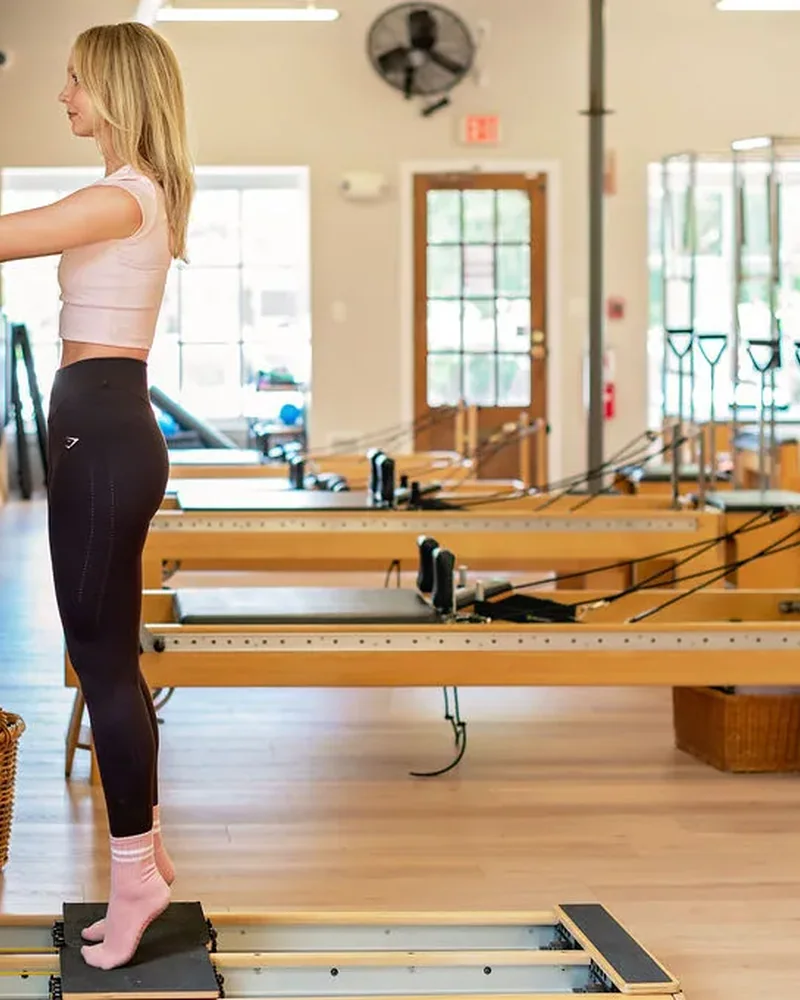
What is sports rehab?
Sports rehab is rehabilitation built backward from the thing you actually have to do. A goalkeeper's shoulder and a distance runner's knee do not get the same program, because the demands are different and so is the deadline. General physical therapy restores everyday function: stairs, sleep, lifting a bag into the car. Sports rehab starts there and refuses to stop there. It carries the work forward through the loads, speeds and directions your sport asks for, so the tissue is ready for a sprint and a cut, not just a walk down the hall. It opens with a biomechanical assessment. Your therapist looks at how you move, where force is leaking, and which link in the chain was already doing too much before anything tore, because an injured knee often traces back to a hip or an ankle that quietly stopped pulling its weight months earlier.
From there the plan runs in four phases. Pain, where we settle the irritated tissue and get the inflammation down enough for you to move. Prime, where mobility and control come back to the joint. Perform, where strength and stability get rebuilt with progressive resistance, then sharpened with plyometrics, agility work and drills that copy what your sport actually demands. Prevent, where the maintenance work that keeps you on the field gets handed over to you. Manual therapy runs alongside all of it, including joint mobilization, soft tissue release and myofascial technique, and recovery modalities such as ultrasound, electrical stimulation and compression support the work where they genuinely help. Starting early matters more than most athletes expect. Even gentle movement in the first days after an injury tends to help, which is why waiting for swelling to disappear on its own is usually the slower road back.
Who sports rehab in Lake Forest is for.
Sports rehab is for anyone whose recovery has a scoreboard attached to it, whether that is a varsity season, a masters race, or a Saturday league you have no intention of giving up.
Hurt in the middle of a season
A ligament, a hamstring, a shoulder that went during play. We rebuild the specific strength and control your position demands, in the order your body can take it, so you come back able to do your actual job on the field instead of able to jog in a straight line.
Medically cleared but not convinced
The imaging looks fine and your physician is satisfied, but you have not asked that knee to plant and turn yet, and you know it. We close the gap deliberately, with testing and graded exposure, so your confidence rests on evidence rather than on hoping it holds.
Tired of the same injury coming back
Same hamstring, same ankle, third time around. Repeat injuries usually point at a movement pattern or a weak link nobody ever addressed. We find it, load it, and hand you the short maintenance work that keeps the fix in place through a full season.
What to expect in a session.
Sessions change shape as you progress. The early ones look clinical. The later ones start to look a lot like practice.
Assessment and a plan tied to your sport
You tell us the sport, the position, what your body has to do in it, and what is on the calendar. We assess strength, mobility and movement, then set milestones you have to earn rather than dates you simply arrive at. At any point you can say which milestone you are working toward and what it will take to pass it.
Rebuild the load, then add the sport back
Early sessions restore range and basic strength with hands-on work and progressive resistance. As you tolerate more, the work turns into cutting, landing, accelerating and slowing down, the specific demands that broke you or that your sport punishes hardest. Each stage opens only when the one before it is genuinely met.
Functional testing before you go back
Before we agree you are ready, we test it. Strength compared side to side, control on landing, agility once you are tired, and the movement your injury actually happened in. You leave with the results in hand, plus the maintenance plan for your season, and a decision based on something firmer than how the leg felt that morning.
Bring your gear. Cleats, a racket, the running shoes you actually train in, or a short video of yourself playing your position. Watching you move in the equipment you compete in shows us things no clinic exercise ever will. Bring your competition or race calendar too, because a plan built around a real date is a different plan from one built around someday. If you have had surgery, your operative report and your surgeon's protocol let us start you in the right place and keep your return in step with what they want protected.
We carry the work forward through the loads, speeds and directions your sport asks for, so the tissue is ready for a sprint and a cut, not just a walk down the hall.
Where to go next.

Physical Therapy
The base every sports program is built on. How we evaluate, plan and re-test your recovery.
Sports Injuries
Sprains, strains and overuse injuries, and what we do about each of them.
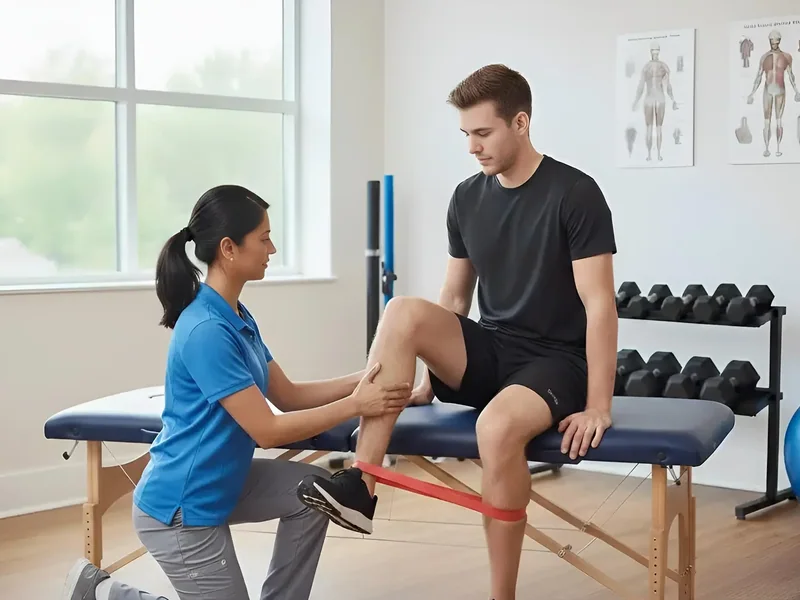
ACL Tear
What rehab looks like after an ACL injury or repair, from early motion to the return decision.