
Cupping Therapy in Lake Forest
Nearly everything else pushes into tight tissue. Cupping pulls it up and away, which is why it sometimes reaches what pressure has been failing to.
What is cupping therapy?
Cupping is decompression. A cup is placed on the skin and the air inside it is drawn out, creating a vacuum that lifts the soft tissue up into the cup instead of pressing it down toward the bone. That single reversal is the whole idea. Almost every other technique you have tried, massage, foam rolling, a thumb dug into a knot, works by pushing in. Cupping pulls, which decompresses the layers of fascia and muscle that sit just under the skin and encourages fresh blood into an area that has gone quiet and stiff. We use glass, silicone and plastic cups, and each behaves differently, so the choice is made for your tissue and the area being treated rather than out of habit. The sensation is distinctive and worth knowing about in advance: a deep, heavy, warm pull rather than a sharp pain, and it usually eases within the first minute or two once your tissue settles into it.
There is more than one way to use the cups, and the technique changes the effect. Stationary cupping parks a cup over one stubborn spot and leaves it to work. Gliding cupping keeps the suction on while the cup is moved slowly across a broader area, which covers more ground and feels quite different again. Warming cupping adds heat to the process. Cupping also pairs naturally with the rest of what happens here rather than standing alone: your therapist might use it after manual therapy to hold a release open, or before treatment to make stiff tissue easier to work with, and then follow it with the movement work that keeps the change. The approach blends Eastern and Western practice, which is exactly what it sounds like, an old technique used inside a modern plan of care.
Who it's for.
Cupping suits tissue that is tight, stiff and stuck rather than acutely injured. If pressing into it has not worked, lifting it may be the thing that does.
Necks and upper backs that never switch off
Desk hours, a phone, a stressful stretch at work, and the shoulders creep up and stay there. Decompressing that tissue often gives back range you did not realize you had lost, and people frequently notice it first in something small: turning to reverse the car without the whole torso following.
Legs and backs that feel heavy after training
Hard efforts leave tissue thick and sluggish, and the next session suffers for it. Drawing fresh circulation through a heavy area takes the edge off that stuck feeling, which shortens the gap between finishing one hard week and feeling ready to start the next one properly.
One stubborn area nothing else has touched
You have a specific spot that keeps flaring, and stretching, rolling and rest have all had their turn with it. When pressure-based work has plateaued, changing the direction of force is a genuinely different input, and that is often what finally gets a response out of the area.
What to expect at our Lake Forest studio.
Cupping is straightforward, and it goes better when you know what is coming. Here is the sequence, including the part about the marks.
A conversation, then the first cup
Your therapist asks about your health history, medications and skin before anything is placed, then applies lotion and sets the first cup so you can feel what the suction is like before the rest go on. You will feel an immediate lifting pull. Strength is adjusted from your feedback, not from a standard setting, so speak up early rather than enduring it.
Sustained or gliding work
Cups either stay put over the area being treated or are glided slowly across it, depending on whether the target is one specific spot or a broader band of tissue. The sensation is deep but not sharp, and most people find this the relaxing part once the initial pull stops being novel. Your therapist stays in the room and keeps checking in.
Cups off, then movement
The cups come off and you will usually feel looser in the treated area straight away. Because a release only lasts as long as you give it a reason to, your therapist will move you through the range you just got back rather than sending you out the door with it. That is the difference between a nice hour and a change that is still there next week.
Cupping leaves round marks on the skin where the cups sat. They come from small surface vessels responding to the vacuum, they are not bruises from impact, they are not a sign anything went wrong, and they fade within a few days. Plan around that if you have a wedding, a beach trip or a sleeveless week coming up. Before we start, tell your therapist if you are pregnant, take a blood thinner, bruise very easily, or have a rash, an open wound, a recent surgical site or any skin condition over the area you want treated. None of those is automatically a no, but each one changes where, how and whether we cup, and that is a conversation to have before the cups go on rather than after. If you are under care for a medical condition, check with your physician first.
Almost every other technique you have tried works by pushing in. Cupping pulls.
Where to go next.
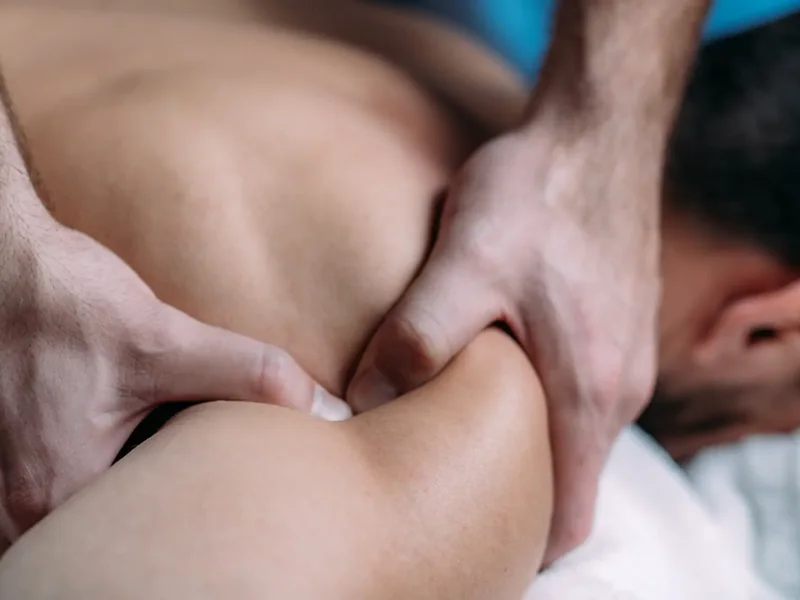
Myofascial Release
Sustained hands-on work into fascial restriction. The pressing counterpart to what the cups do by lifting.
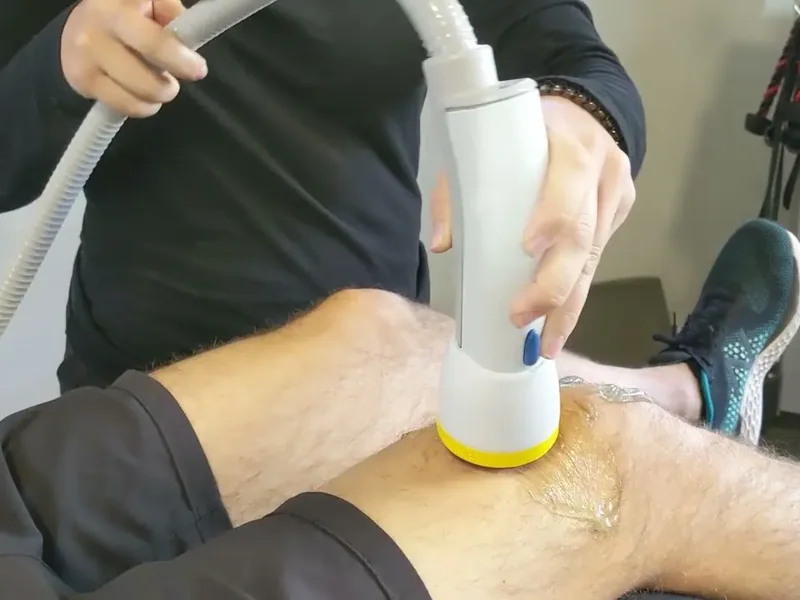
Shockwave Therapy
Acoustic pressure waves delivered through a handpiece, aimed at long-standing tendon problems rather than general tightness.
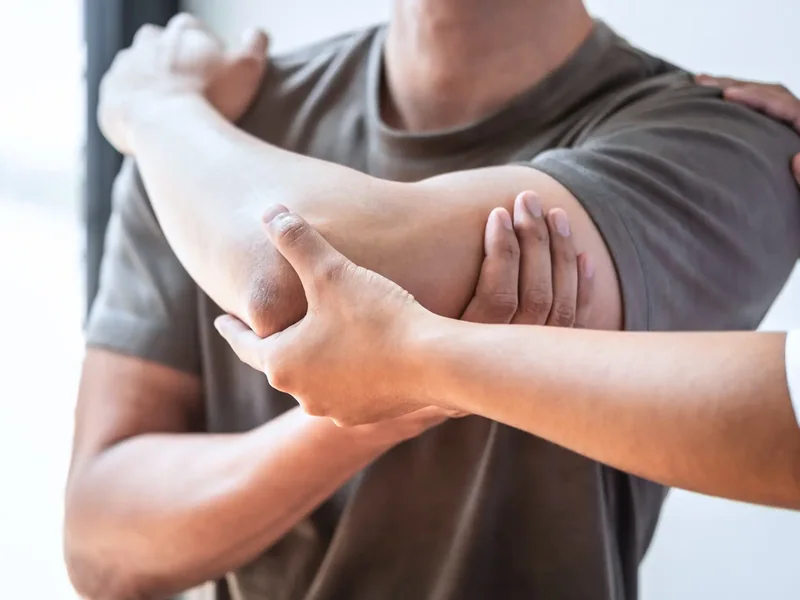
Shoulder Pain
The area people most often ask us to cup. Here is how we work out what is actually causing it first.